Half a Brain, whole Network
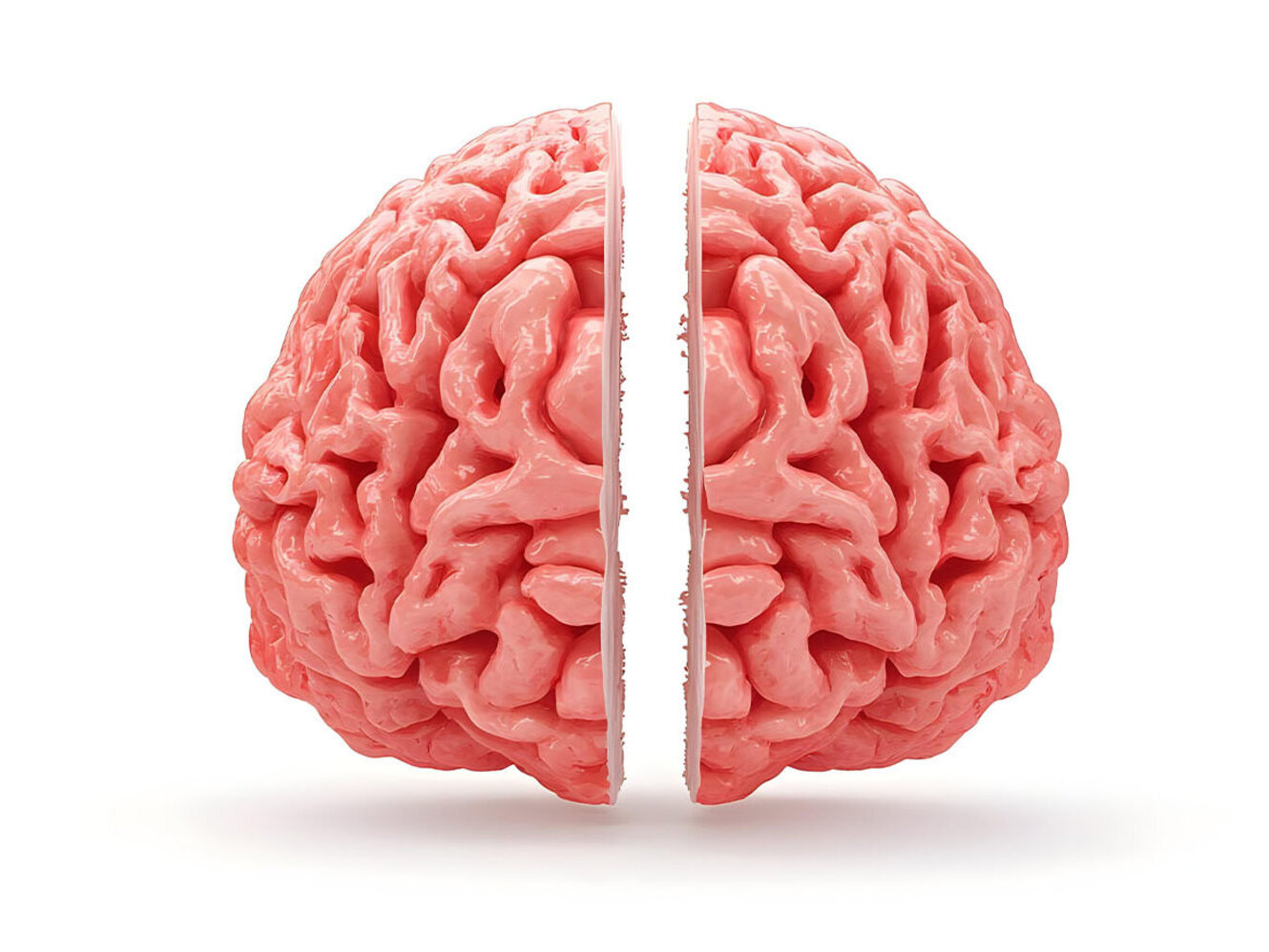
Hemispherotomy is a neurosurgical procedure used to treat severe, drug-resistant epilepsy by completely severing the connections of a diseased brain hemisphere from the rest of the central nervous system. Because this operation leaves one half of the brain entirely isolated from both external sensory input and communication with the healthy side, it provides a clinical window into the nature of human consciousness. Scientists utilize this condition to explore whether the default-mode network (DMN), a complex neural system linked to introspection, self-awareness and consciousness, can still function and sustain itself when trapped inside a disconnected hemisphere. The Molecular Psychology Group (Sebastian Markett) performedresting-state functional MRI (rs-fMRI) scans and cognitive testing on 26 patients who had undergone a hemispherotomy and compared them to 24 healthy controls. By running an Independent Component Analysis (ICA) on the healthy group, they mapped out the DMN and used its central hub, the precuneus, as a starting point to analyze the patients' scans. The analysis revealed that the surgically severed hemisphere kept its basic default-mode network architecture synchronized entirely on its own, though its overall signal strength was weaker than in healthy brains. This is probably due to the total lack of external sensory inputs and cross-brain teamwork. Read more about the Default-mode network in the Brain Communications Report.
Abstract
Hemispherotomy is a surgical intervention for severe drug-resistant epilepsy that fully disconnects the lesional brain hemisphere from the rest of the nervous system. This creates a rare opportunity to explore whether consciousness can be sustained without external input. The default-mode network, linked to introspective mental activity, is considered a necessary, though not sufficient, condition for consciousness. In this prospective case- control study, resting-state functional MRI data from 26 individuals post-hemispherotomy and 24 healthy controls were analysed. Default-mode network activity was assessed using seed-to-voxel correlations based on the peak activity in the precuneus of controls, delineated by group independent component analysis. In connected hemispheres, typical default-mode network patterns were preserved and did not differ significantly from controls. Isolated hemispheres also showed preserved positive default-mode network connectivity, though negative connectivity was significantly reduced compared to controls. In two patients with both pre- and post-surgical scans, the individual default-mode network remained detectable but was divided between the isolated and connected hemispheres. These findings suggest that default-mode network activity persists in isolated hemispheres, meeting a necessary condition for consciousness. However, the presence of default-mode network activity alone does not confirm conscious awareness, encouraging further investigation into the neural correlates of consciousness in isolated hemispheres