Out Standing in Their Field!
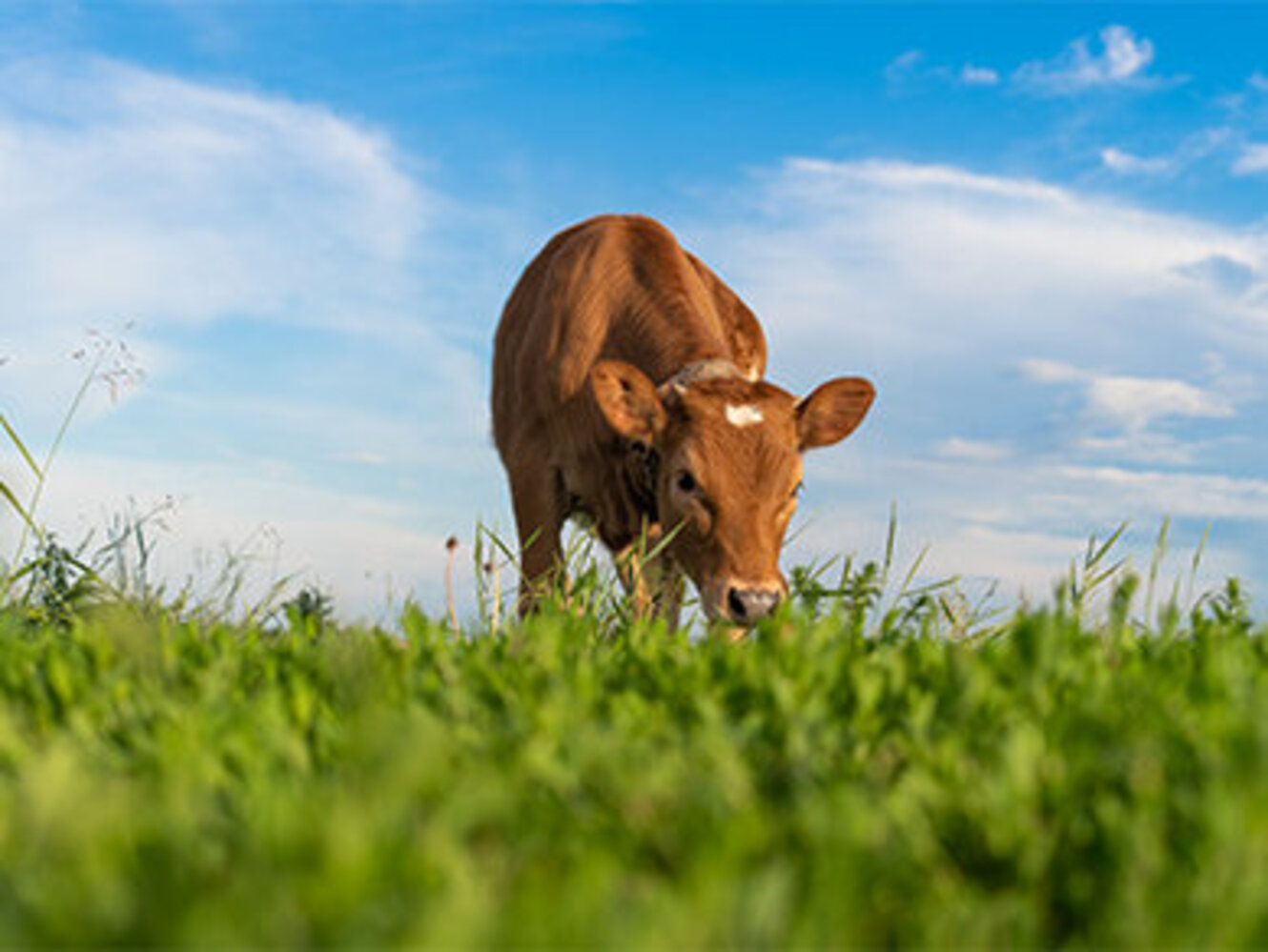
Can veal production be both animal-friendly and sustainable? As consumers increasingly care about how farm animals are raised, pasture-based systems are gaining attention as a potential alternative to conventional livestock production. Allowing calves to graze not only supports natural behaviors and animal welfare, but may also influence the quality of the meat they produce. To explore this, the Animal Husbandry and Ethology Group ( Edna Hillmann) investigated whether dairy bull calves raised on pasture can achieve good growth and meat quality under practical farming conditions. Their results show that grazing-based veal production is a promising approach: calves performed well, and longer grazing periods were associated with a healthier fatty acid profile in the meat. Do you want to know more about how life on pasture shapes both calves and the quality of the meat? Take a closer look at their Organic Agriculture Article!
Abstract
Pasture-based veal production of dairy bull calves might be a sustainable alternative to conventional veal production, as access to pasture allows the expression of natural behaviors, and thus contributes to calf welfare. However, scientific data on growth rate, carcass characteristics and meat quality have not yet been reported. The main purpose of the study was to test whether a clover-grass sward with or without herbs results in acceptable performance, carcass characteristics and meat quality in German Holstein and Jersey bull calves. We kept 111 animals (Holstein: 80, Jersey: 31) over three years under whole-day strip grazing conditions and fed small amounts of concentrates daily. Slaughter took place at 32 ± 2 weeks of age after grazing for 75 ± 22 d. Using Bayesian linear mixed models, sward composition did not influence growth rate, carcass characteristics, or meat quality. However, weight at slaughter, longissimus muscle area and the intramuscular polyunsaturated fatty acid percentage increased (P < 0.05) with increasing time the calves spent grazing on the experimental paddock. Conversely, the monounsaturated fatty acids percentage in carcass meat decreased (P < 0.05) as grazing time increased, suggesting a positive effect of grazing on the fatty acid profile. Pasture grazing can thus be a promising approach for dairy bull calves, producing a favorable fatty acid profile in veal.