

ProCell
Programming Cellular Processes with Light
The IZ LIST actively supports the ProCell initiative, a growing research consortium that brings together scientists from Berlin and beyond to advance the next generation of optogenetic and optobiological tools. ProCell addresses a central challenge in modern life sciences: while we have gained deep descriptive knowledge of the molecular mechanisms underlying development, cell fate decisions, and cellular plasticity, our ability to actively control these processes with high spatial and temporal precision remains limited. Optogenetics—using light to manipulate biological functions—offers a powerful solution. Beyond observing cellular behavior, optogenetic tools allow researchers to precisely program molecular interactions, cellular states, and dynamic processes in living systems.
The importance and potential of this approach are also clearly recognized at Humboldt-Universität zu Berlin. As we write, the HU is building an entire research facility dedicated to light-driven biology: the Optobiology Research Building (Optobau). This state-of-the-art hub will unite photobiology, advanced microscopy, and optogenetics under one roof, providing space for more than 100 researchers from HU and Charité to collaborate across disciplines. Designed to push the boundaries of how biological systems can be observed and controlled with light, the Optobau will serve as a key infrastructure for innovation at the interface of biology, physics, and engineering—and as a strong foundation for initiatives like ProCell. If you’re as excited as we are to see the Optobau come to life, you can follow its progress through daily snapshots from the construction site.
Although optogenetics has already transformed neuroscience and membrane voltage control, the broader application of light-controlled tools to regulate enzymatic activity, gene expression, translation, and complex cellular assemblies is still in its early stages. ProCell aims to close this gap by developing, adapting, and applying state-of-the-art optogenetic and optobiological tools in complex cellular environments such as organoids and native tissues. This work holds great promise not only for fundamental biological research but also for future biomedical and therapeutic applications.
The ProCell consortium already brings together a strong and diverse group of researchers spanning developmental biology, microbiology, biophysics, systems biology, and optical engineering. Through a series of meetings, ProCell members have exchanged scientific ideas, planned joint projects, and built new collaborations—extending well beyond the immediate Berlin research community. With the Optobau providing a powerful infrastructural anchor, the next crucial step is to deepen these collaborations and accelerate the application of optogenetic tools across biological systems.
Milestones
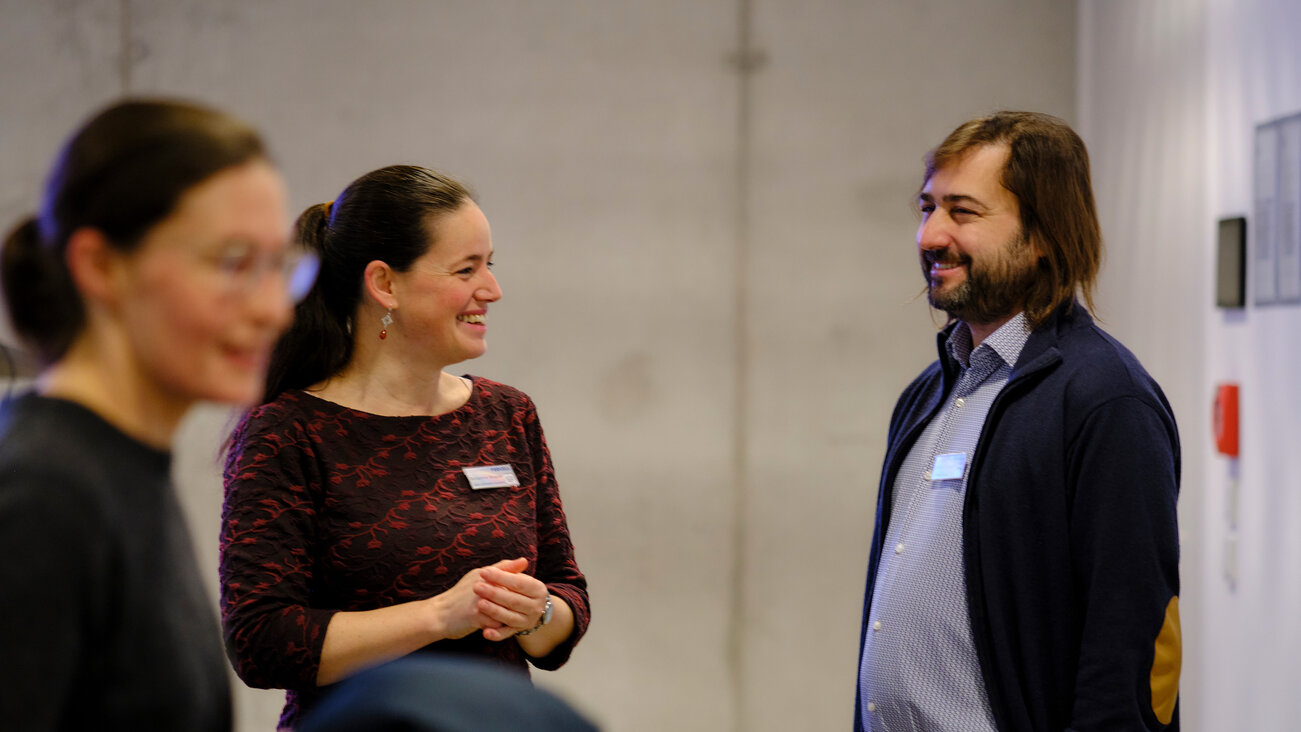
ProCell Symposium
The ProCell symposium brought together consortium members and colleagues from the wider life sciences community for a full day of inspiring talks and lively discussion around programming cellular processes with light. The program featured exciting presentations from invited speakers alongside contributions from ProCell PIs, showcasing a broad range of optogenetic and optobiological approaches.
In the afternoon, interactive sessions provided space to exchange ideas on techniques, projects, and future collaborations. The open and engaged atmosphere made the symposium a particularly productive and enjoyable day—strengthening existing connections, sparking new ones, and reinforcing the shared enthusiasm for advancing light-based control of biological systems.
You can find impressions from this great day, including photos and the full program, here.
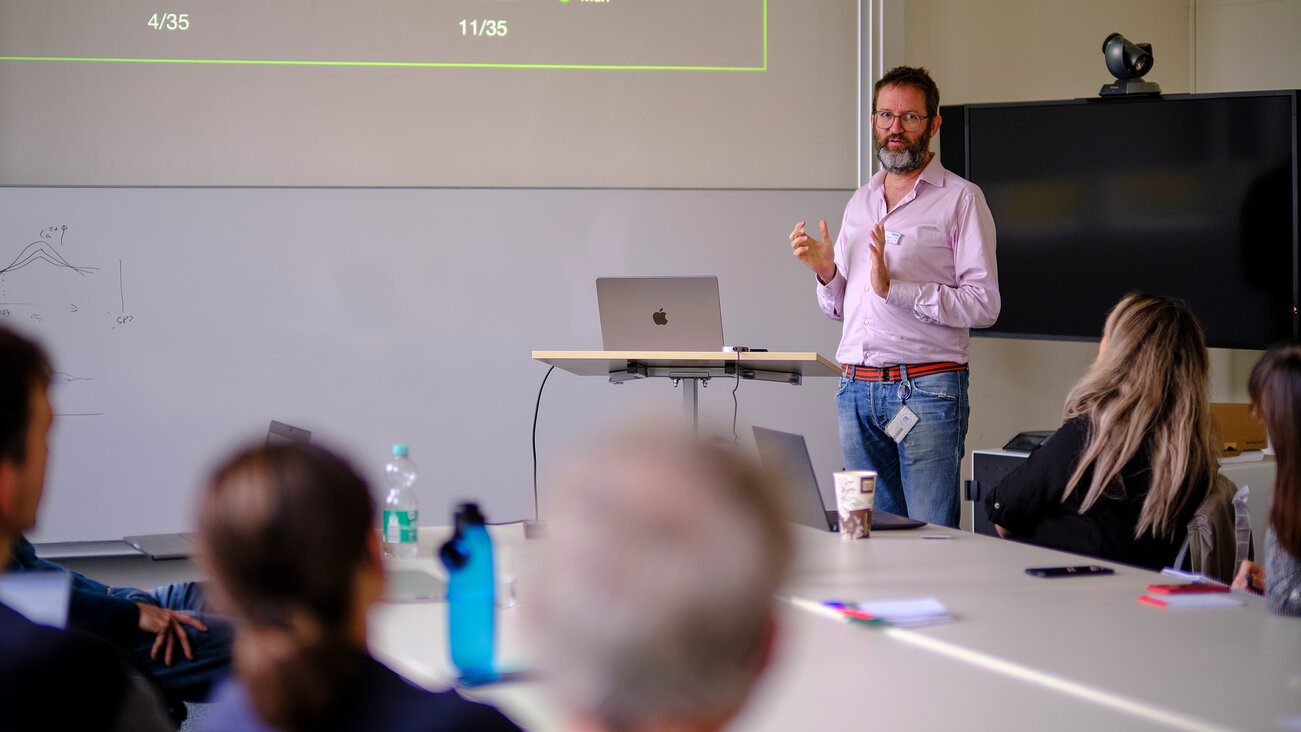
4th Meeting - October
Following several rearrangements within the consortium, the October meeting focused on consolidating the emerging scientific landscape of ProCell. By this stage, potential projects had matured into well-defined concepts, providing a solid foundation for discussion. The meeting served to take stock of the full portfolio, clarify how individual ideas are positioned within the initiative, and map existing and future connections across the consortium. This step was essential for aligning scientific goals and strengthening the overall coherence of ProCell.
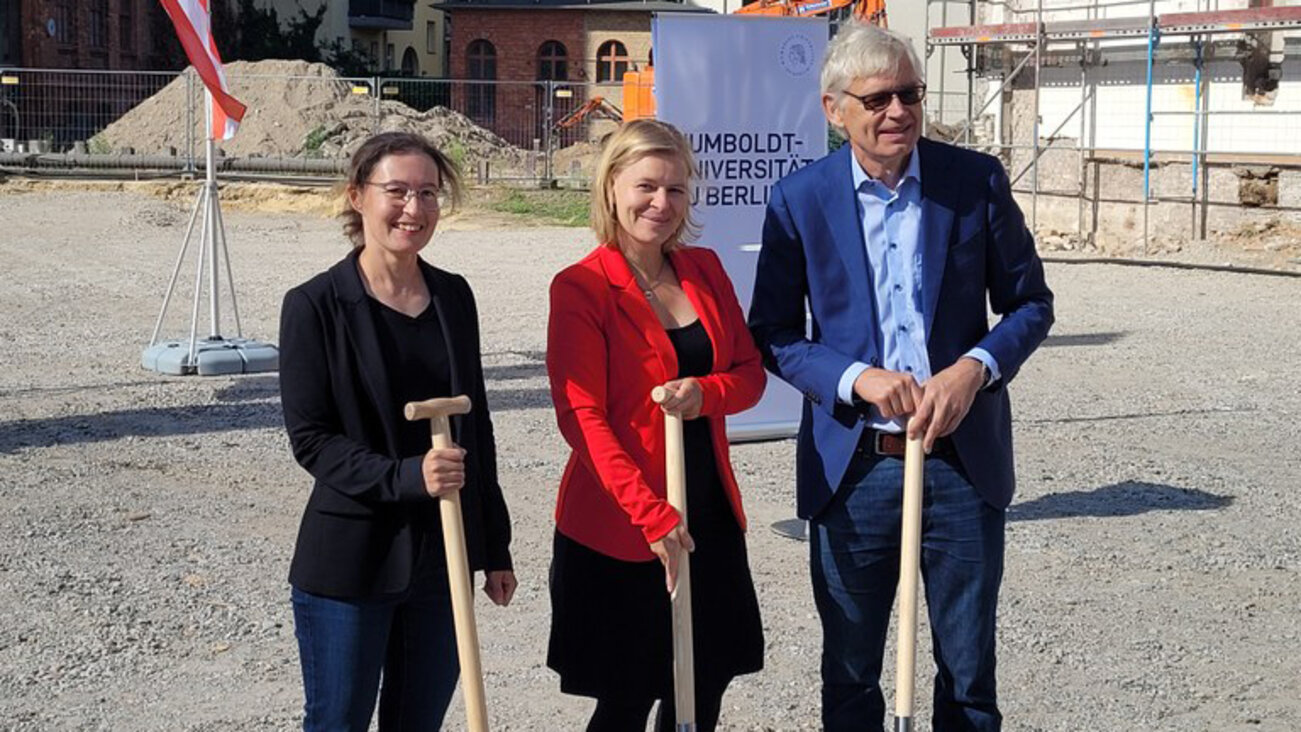
The Optobau rises!
Let there be light (and concrete)! The demolition of the old, unfortunately dilapidated buildings is complete—and now it’s time to create. With the excavation underway and the ground being broken, the OptoBau officially enters its construction phase, marking the beginning of an exciting new chapter for the Humboldt-Universiät zu Berlin and light-driven biology!
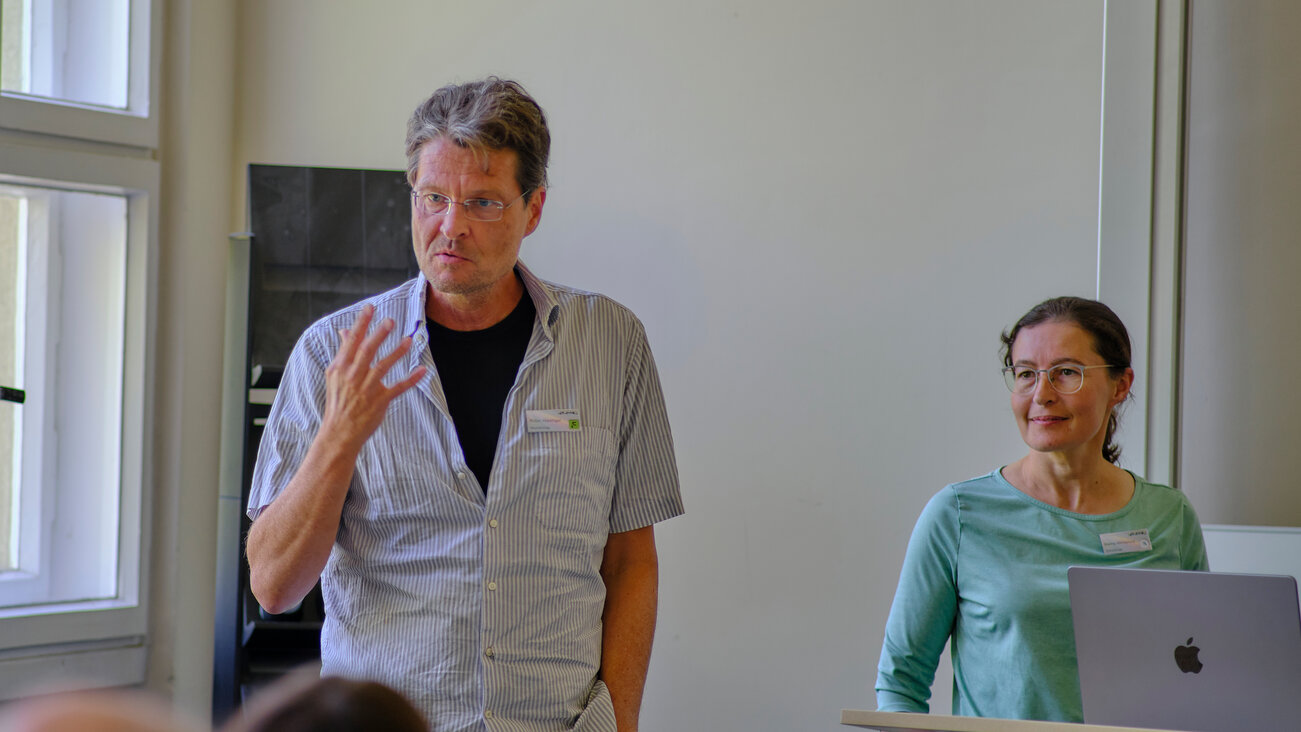
3rd Meeting - May
At the ProCell Meeting in May, consortium members presented their project ideas to the full group, providing a common basis for discussion. The meeting focused on how these ideas fit within the overall goals and scientific vision of the initiative, fostering lively exchange on thematic coherence, synergies, and long-term direction. Together, these discussions marked an important milestone in aligning the consortium and strengthening its shared mission.
2nd Kick-off meeting - Dahlem
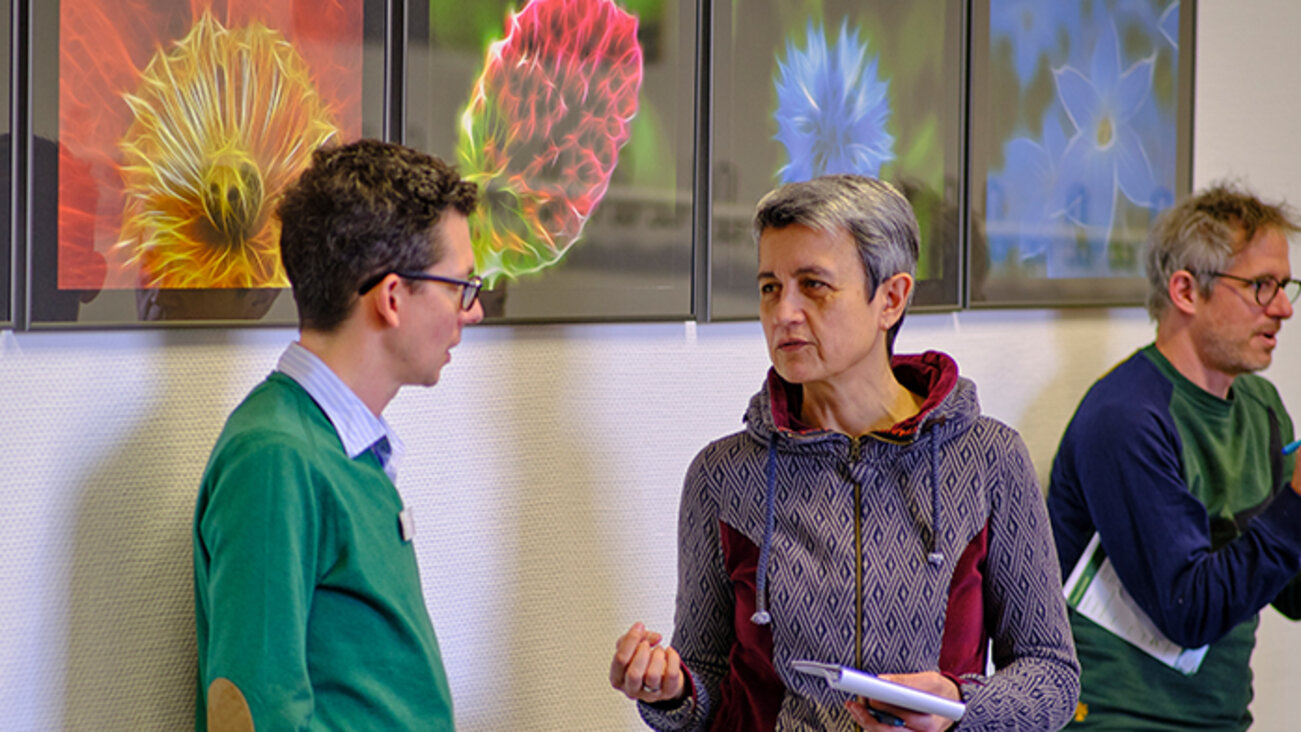
The second ProCell Kick-off meeting took place in Dahlem at the Freie Universität Berlin, where the remaining members of the consortium presented their research. Building on the momentum of the kick-off in Mitte, the talks sparked lively discussions and deepened scientific exchange. Ample time was dedicated to open discussion, allowing ideas to mature and connections to strengthen. Together, the two kick-off meetings generated a wealth of concepts and marked an important step toward forming the first project partner pairings within the initiative.
1st Kick-off meeting - Mitte
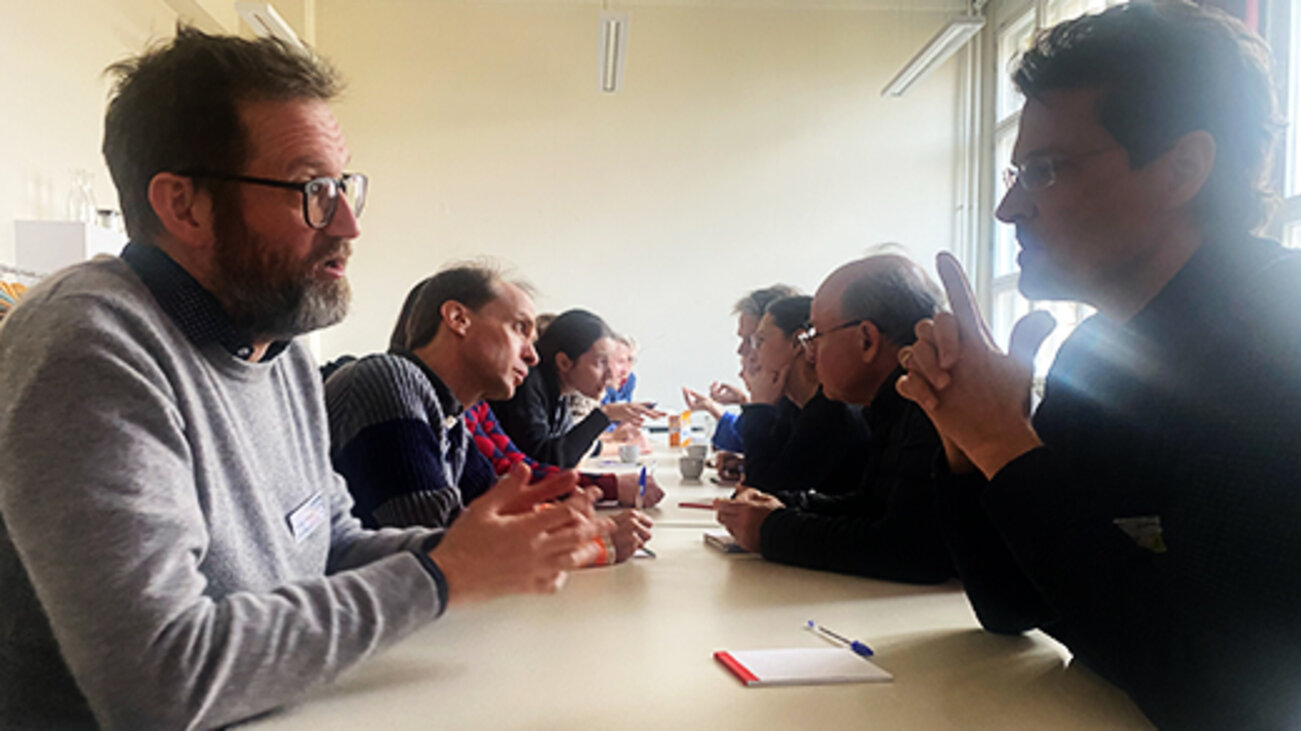
The ProCell consortium launched with its first in-person meeting at Humboldt-Universität zu Berlin in Mitte. Bringing together familiar collaborators and new faces alike, the meeting focused on getting to know each other and exchanging ideas. Short scientific talks were followed by “science speed-dating” sessions, offering a lively and informal way to explore potential collaborations. The day combined focused discussion with fun—and set the foundation for a connected and collaborative Optocommunity.