ProCell Symposium 2026
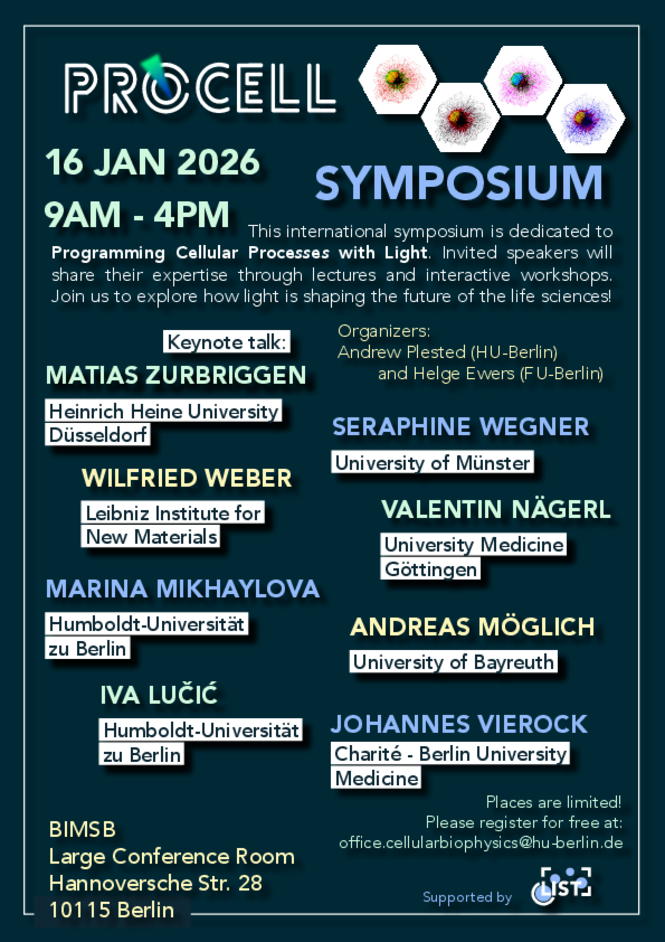
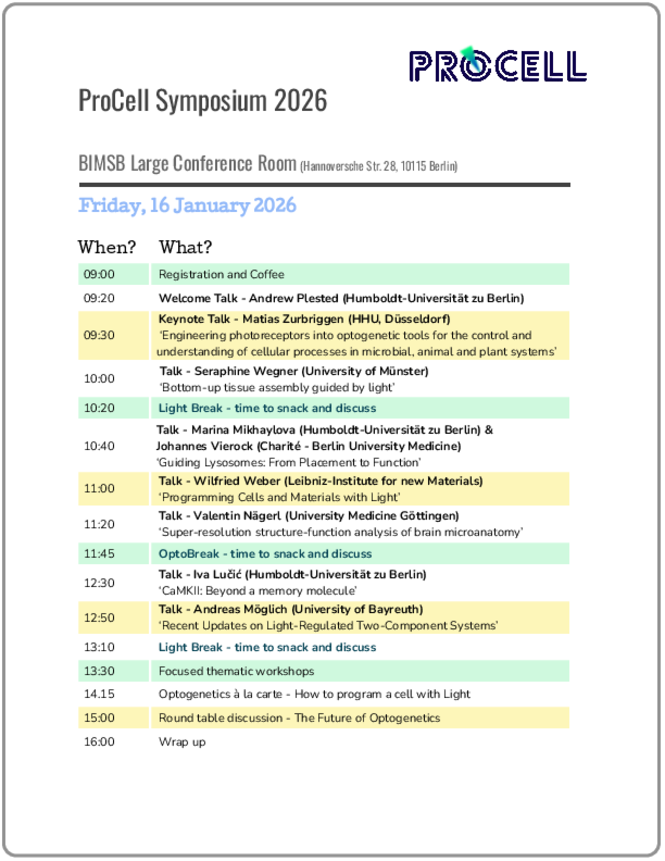
The ProCell symposium brought together members of the consortium and colleagues from the wider life sciences community for a full day dedicated to exploring how cellular processes can be programmed and controlled using light. The event provided a vibrant platform for scientific exchange, highlighting the diversity and potential of optogenetic and optobiological approaches across biological systems and scales.
The program featured a stimulating mix of talks by invited external speakers alongside presentations from ProCell principal investigators. Together, these contributions offered insights into both cutting-edge tool development and innovative applications in cells, tissues, and organisms. Importantly, the audience itself was highly diverse, including principal investigators, senior scientists, PhD students, and undergraduate students. This mix of career stages enriched the discussions and created a dynamic atmosphere of curiosity and openness.
In the afternoon, interactive discussion sessions provided space for deeper exchange on experimental strategies, emerging techniques, and future collaborative projects. We particularly appreciated the fresh ideas, new questions, and different perspectives contributed by our external speakers and attendees, which helped challenge assumptions and refine how we approach this fascinating and promising field.
Overall, the symposium was both scientifically productive and genuinely enjoyable. It strengthened existing collaborations, sparked new connections within and beyond the ProCell network, and reinforced the shared excitement for advancing light-driven approaches in biology. Explore the photo gallery below to get a visual impression of this inspiring day!
More about the speakers...
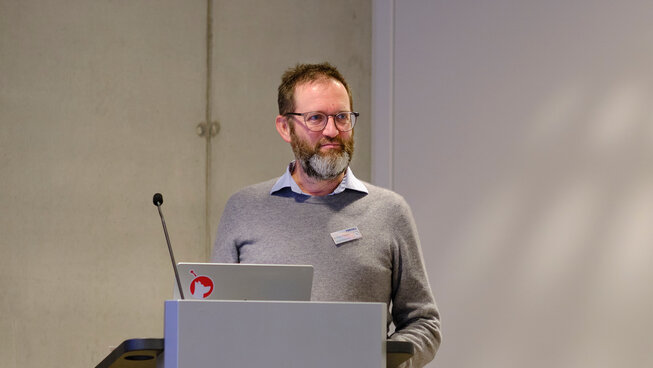
Andrew Plested (Host)
Humboldt-Universität zu Berlin
Andrew Plested, together with Helge Ewers, is dedicated to driving the ProCell initiative forward. They organized the ProCell Symposium to bring together scientists, spark collaborations, and foster exchange across the community.
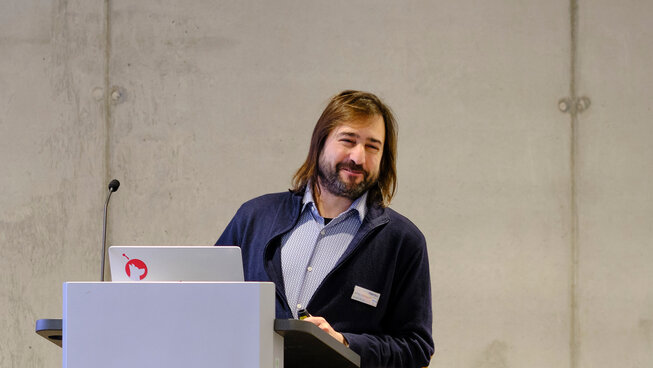
Matias Zurbriggen (Keynote)
HHU Düsseldorf
The Synthetic Biology Group explores how light can be used as a tool to program and manipulate cellular behavior, bridging optogenetics, molecular biology, and quantitative approaches.
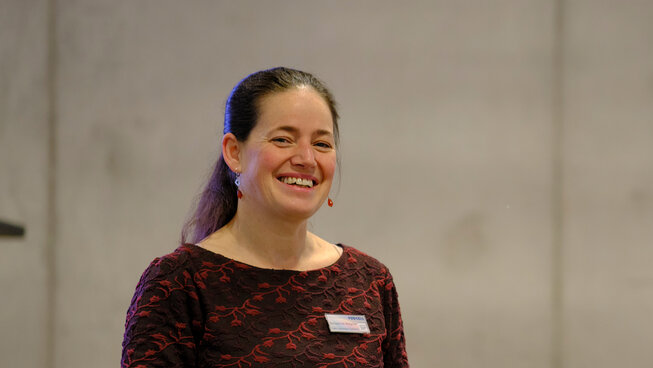
Seraphine Wegner
University of Münster
The Light-controlled Systems Group investigates how cellular behavior and fate are regulated in complex biological systems, combining developmental biology with quantitative and imaging-based approaches.
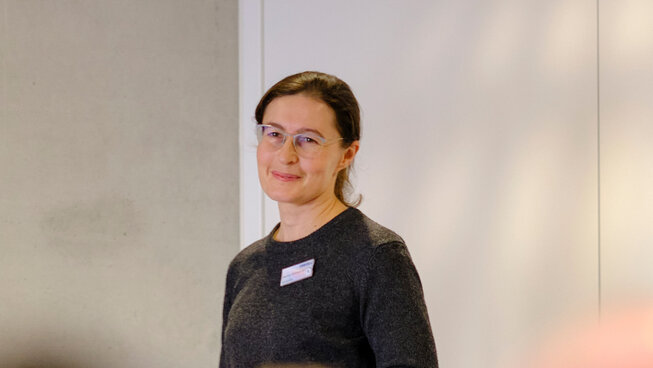
Marina Mikhaylova
Humboldt-Universität zu Berlin
The Optobiology Group studies how intracellular organization and dynamics support neuronal architecture, development, and function, combining cell biology, neuroscience, and advanced imaging.
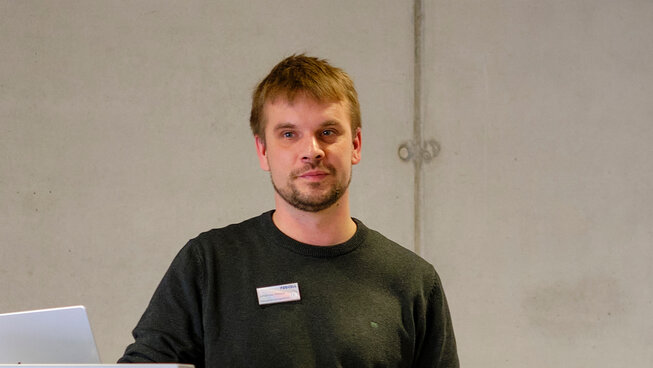
Johannes Vierock
Charité Berlin
The Subcellular Optogenetics Group investigates the molecular and cellular mechanisms that control synaptic signaling by combining biophysics, neuroscience, and quantitative approaches.
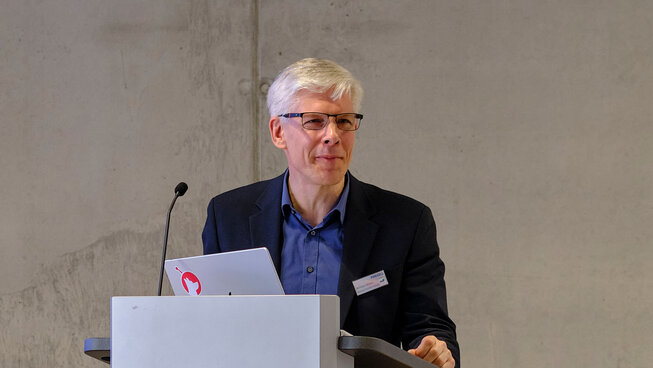
Wilfried Weber
IMN Saarbrücken
The Materials Synthetic Biology Group develops and applies optogenetic and synthetic biology tools to control cellular processes, combining molecular engineering with quantitative and systems-level approaches.
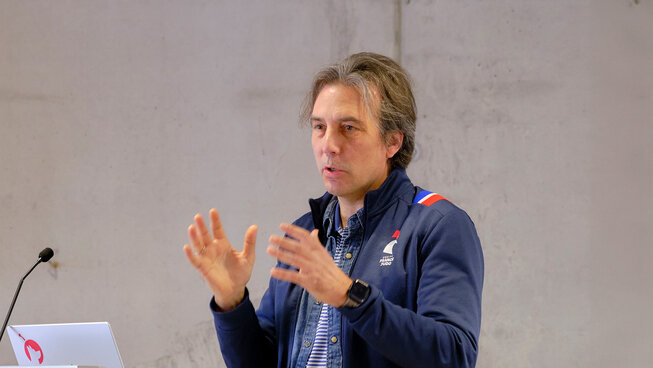
Valentin Nägerl
University Medicine Göttingen
The Anatomy and Cell Biology Group investigates the structure and function of neural circuits, combining advanced imaging, biophysics, and quantitative approaches to understand how neurons process and transmit information.
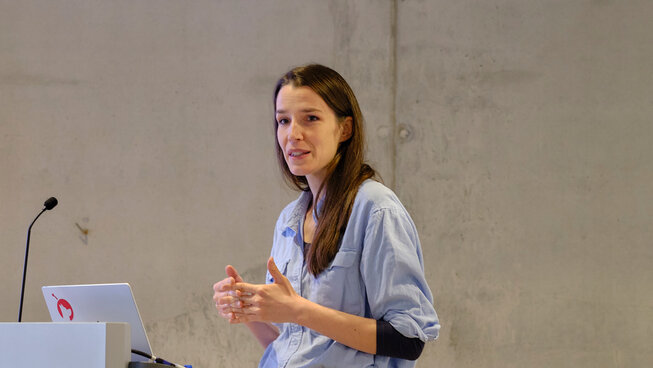
Iva Lučić
Humboldt-Universität zu Berlin
Within the Cellular Biophysics Group Iva studies the organisation and function of kinases critical for brain and heart function, using genetically-encoded photo-crosslinkers, single-molecule TIRF and biochemical techniques.
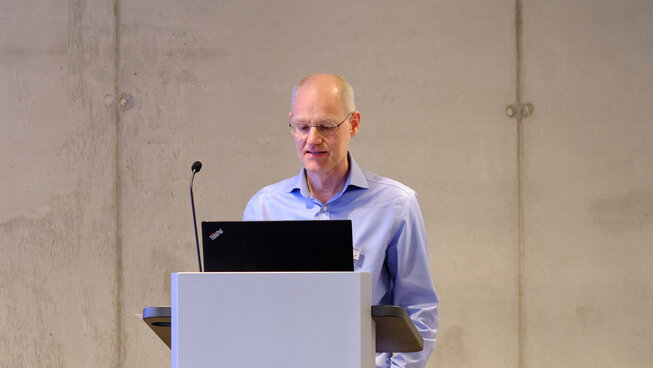
Andreas Möglich
University of Bayreuth
The Sensory Photoreceptors Group explores how light can be used to control protein function and cellular processes, combining optogenetics, molecular engineering, and synthetic biology to precisely manipulate biological systems.