Double Trouble
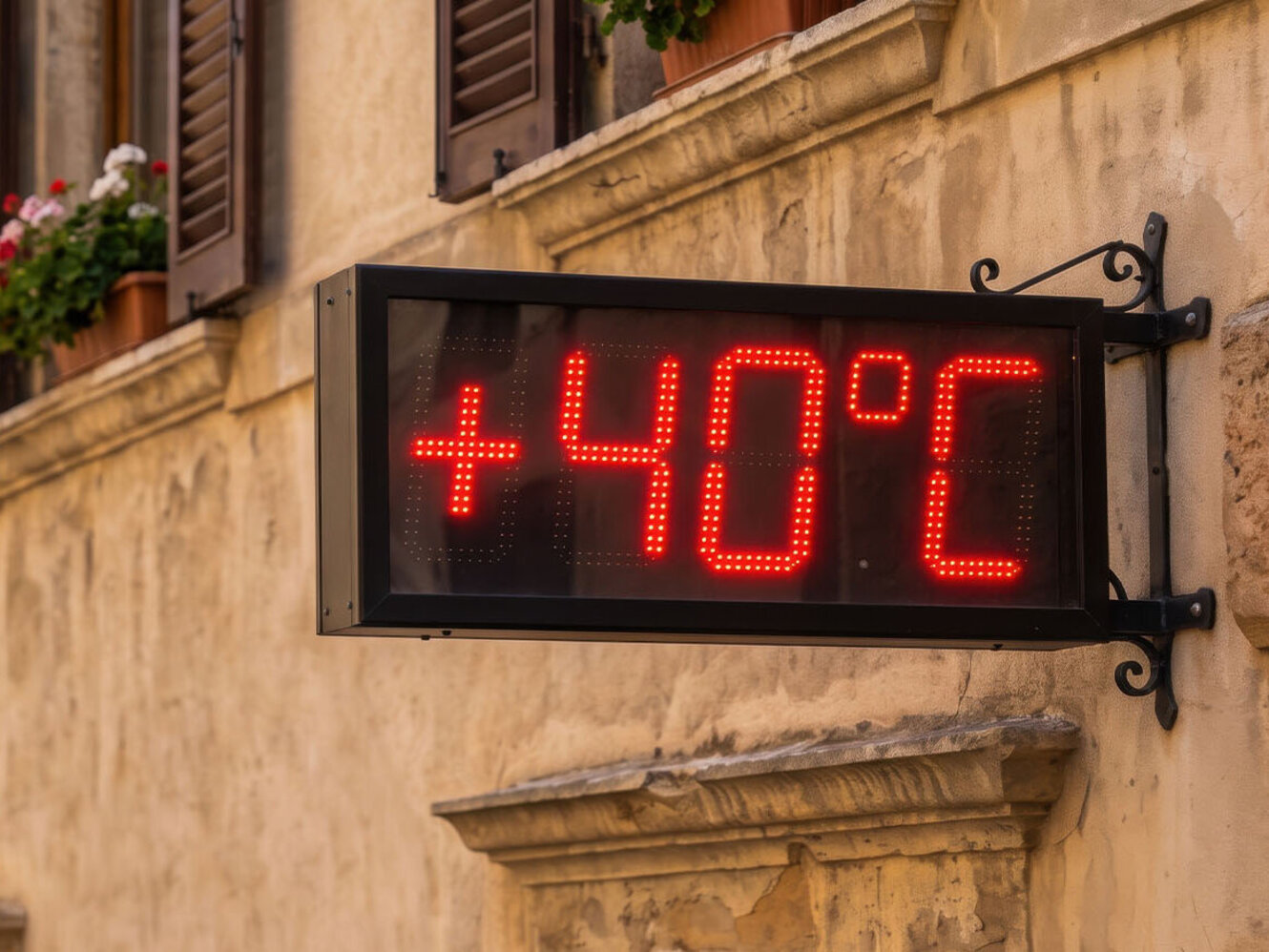
Global climate change and rapid urbanization intensify extreme weather and air pollution. In a recent study, the Landscape Ecology Group (Dagmar Haase) investigated the synergistic mortality risks of co-exposure to extreme heat and ground-level ozone (O3) in Shanghai. They analyzed daily mortality records from 2013 to 2018 to evaluate how simultaneous exposure to both environmental hazards affects total non-accidental, cardiovascular and respiratory deaths across various population subgroups. The findings revealed significant synergistic mortality risks that exceeded the sum of individual or additive effects, with strong impacts on cardiovascular and respiratory health. The study identified increased vulnerability among specific demographic groups: older adults aged over 60, females and individuals with lower educational attainment. That underlines the need to integrate compound environmental risks into targeted public health interventions and sustainable urban governance frameworks.
Abstract
Extreme heat and ozone (O3) pollution are aggravating public health threats; yet their co-exposure mortality effects remain poorly characterized, particularly among vulnerable populations. Using a time-stratified case-crossover design with conditional logistic regression and Relative Excess Risk due to Interaction (RERI), we quantified the synergistic mortality risk of co-exposure to extreme heat (90th–97.5th percentiles of daily temperature) and O3 (90th–97.5th percentiles of daily maximum 8-hour average) during hot seasons (2013–2018) in Shanghai. We assessed mortality risks associated with individual and combined exposures to extreme heat and O3 for total non-accidental (TND), cardiovascular, and respiratory mortality. Our results demonstrated significant synergistic effects across all mortality categories, with RERI values of 0.062 (95% CI: 0.017–0.106) for TND, 0.106 (0.058–0.154) for cardiovascular, and 0.167 (0.081–0.253) for respiratory mortality (all p < 0.01). Co-exposures at the 90th–97.5th percentiles consistently demonstrated higher mortality risks than additive individual effects (e.g., TND RR = 1.112, 95% CI: 1.083–1.142 for co-exposure vs. 1.047 [1.024–1.070] for heat alone and 1.010 [0.992–1.029] for O3 alone at 90th percentile). Subgroups exhibiting heightened vulnerability included adults aged >60 years (RERI = 0.062, 95% CI: 0.026–0.098), females (RERI = 0.092, 95% CI: 0.048–0.136), and individuals with lower education (RERI = 0.087, 95% CI: 0.038–0.136). These findings underscore the need for integrated climate-air quality interventions to protect public health for sustainable and equitable urban governance.