Let it Grow!
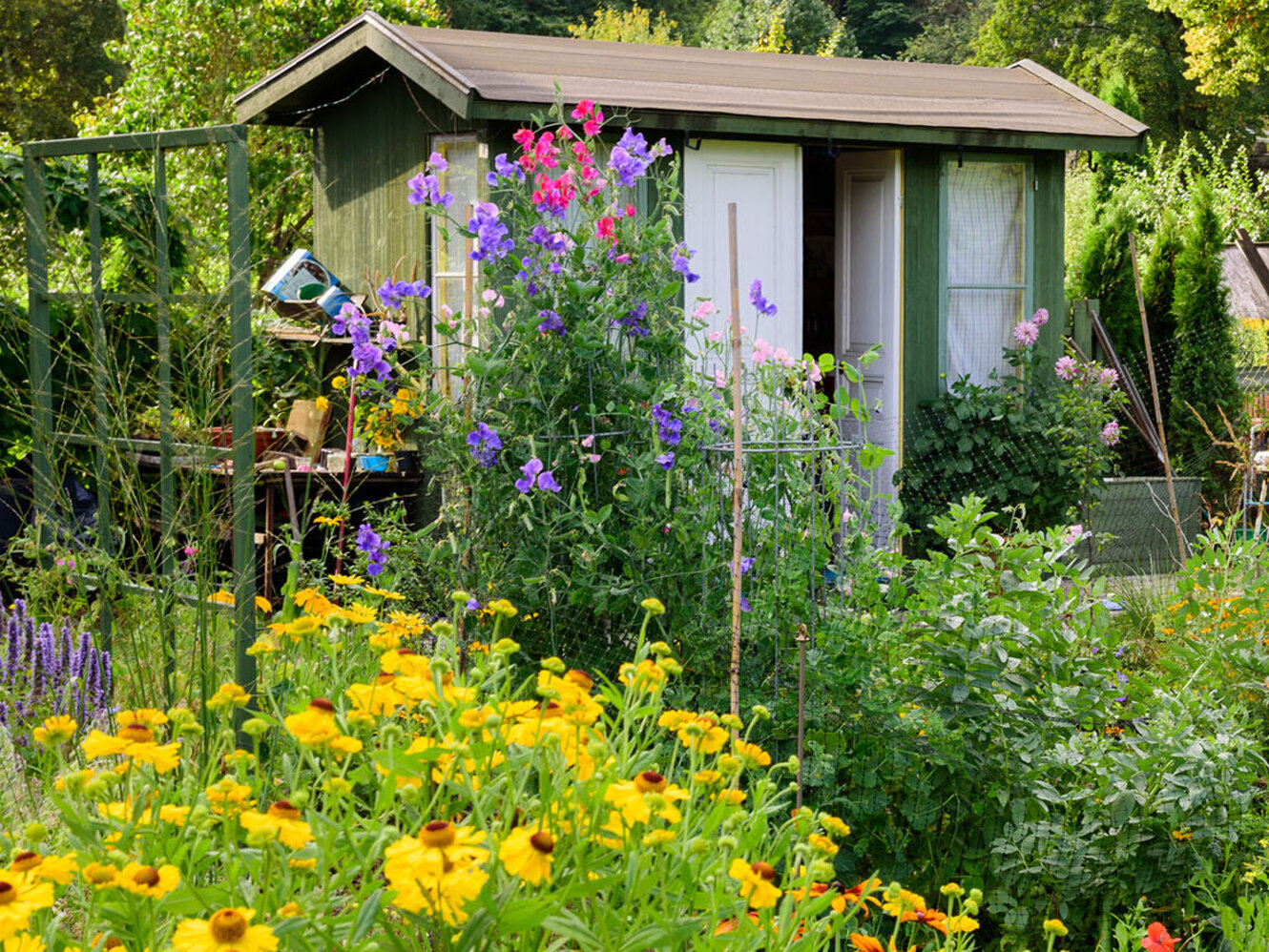
Urban allotment gardens are increasingly recognized not just as recreational spaces for city residents, but as vital ecological hotspots within urban environments. As cities expand, these green spaces provide ecosystem services that support both human well-being and local wildlife. The Landscape Ecology Group (Dagmar Haase) investigated the plant species richness and conservation potential of urban allotment gardens in Berlin, Germany. They focussed on how different garden management practices influence the ecosystem services they provide. The researchers identified 377 plant species and found that over half of them are multifunctional. They demonstrated that plots managed with medium intensity support significantly higher biodiversity, specifically regarding native species, weedy plants, and regulation and maintenance ecosystem services (ReMES). Meanwhile, highly managed plots do not support the biodiversity as much, because frequent mowing and trimming suppresses spontaneous vegetation. The authors concluded that urban allotments act as crucial biodiversity hotspots and pollinator refuges, though their ecological value is heavily dependent on individual, localized gardening styles. To learn more about the effect of gardens on biodiversity in cities, have a look at the article in Plant-Environment Interactions.
Abstract
Intensive agriculture and urbanization have led to habitat degradation and fragmentation, reducing plant diversity and subsequently reducing pollinator abundance and richness. This paper investigates the conservation potential of green infrastructure in allotment gardens, which are a common form of urban land use. This exploratory study examines allotment plant species richness by functional use groups in allotment gardens across Berlin, as well as its impact on ecosystem services, such as providing pollinator habitats through multifunctional plants that are edible, ornamental, and nectar-producing. Additionally, we highlight the potential role of allotment gardens in providing citizens with locally produced food by evaluating the plant species richness of food plants in these gardens. The study was conducted in allotment gardens in Berlin between Мау and July 2019 and focused on comparative analyzes of plots with high (5) and medium (4) management intensity, while the single low-intensity plot was included only to assess overall biodiversity across all studied garden plots (10). Plant species were identified and classified into functional groups, including edible species, ornamental species, weed species also used as ornamentals, and edible species also used as ornamentals or medicinal plants, as well as into life forms such as herbs, trees, shrubs, and vines. Management intensity was assessed through field observations and by verifying the frequency of lawn mowing and hedge trimming with gardeners. During the study, 376 plant species were identified, 17 of which were included in the list of recommended native plant species for Berlin, while 14 were invasive species. The Wilcoxon rank-sum test showed that native species richness (p = 0.05), weedy plant species richness (p = 0.03), and the richness of species contributing to regulation and maintenance ecosystem services (ReMES) (p = 0.03) were significantly negatively correlated with the intensity of garden management. Our results show that urban allotments can support pollinator populations thanks to the wide variety of nectar-producing plants. However, this capacity is greatly affected by how the gardener manages their plot locally. Over half of the identified plants are multifunctional: they are ornamental, providing aesthetic and mental well-being benefits; they are useful, providing food and medicinal purposes; and they are melliferous, providing nectar and pollen for bees and other insects. Our results clearly show that urban allotments can support pollinator populations due to the high richness of melliferous plants, thereby enhancing the ecosystem services produced in and by gardens that contribute to the physical and mental wellbeing of both gardeners and visitors. We also discuss how this capacity is strongly influenced by local plot management and the gardener's knowledge.