Individual publications from 2025
From scrap to snack
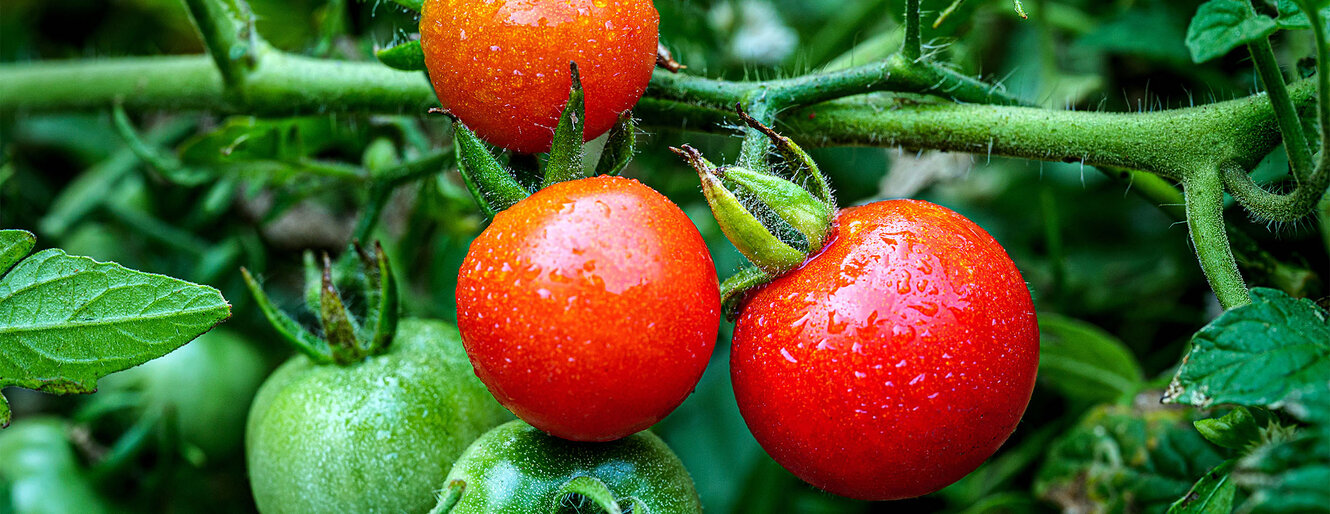
To manage the massive amount of agricultural waste generated by greenhouse cultivation, recent research focuses on the use of tomato leaves. Although tomato leaves are rich in proteins and beneficial lipids, their high fiber and toxic glycoalkaloid content limit their use as standard animal feed. The Urban Plant Ecophysiology Group (Christian Ulrichs) addressed these challenge by investigating its viability as a breeding substrate for rearing desert locusts (Schistocerca gregaria) as a sustainable insect protein source. They compared the effects of feeding locusts freshly harvested leaves against alternative post-harvest handling methods. The results demonstrated that storing or water-maintaining the leaves reduced the labor and frequency of daily harvesting operations without hindering the locusts' growth performance, dry weight or survival rates. Furthermore, while these alternative storage techniques altered the moisture and glycoalkaloid levels of the leaves, the reared locusts maintained a high crude protein content and a rich profile of beneficial alpha-linolenic fatty acid, while showcasing an enhanced accumulation of essential minerals like copper and zinc. If you want to learn more about the use of tomato leaves, have a look at the Scientific Reports Article.
Half a Brain, whole Network
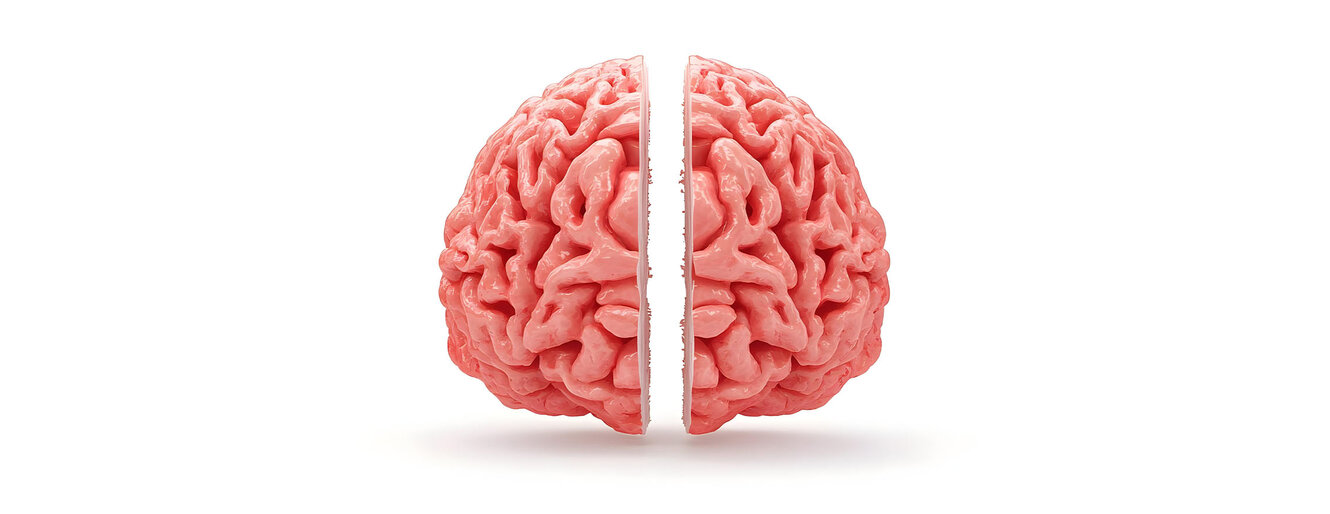
Hemispherotomy is a neurosurgical procedure used to treat severe, drug-resistant epilepsy by completely severing the connections of a diseased brain hemisphere from the rest of the central nervous system. Because this operation leaves one half of the brain entirely isolated from both external sensory input and communication with the healthy side, it provides a clinical window into the nature of human consciousness. Scientists utilize this condition to explore whether the default-mode network (DMN), a complex neural system linked to introspection, self-awareness and consciousness, can still function and sustain itself when trapped inside a disconnected hemisphere. The Molecular Psychology Group (Sebastian Markett) performedresting-state functional MRI (rs-fMRI) scans and cognitive testing on 26 patients who had undergone a hemispherotomy and compared them to 24 healthy controls. By running an Independent Component Analysis (ICA) on the healthy group, they mapped out the DMN and used its central hub, the precuneus, as a starting point to analyze the patients' scans. The analysis revealed that the surgically severed hemisphere kept its basic default-mode network architecture synchronized entirely on its own, though its overall signal strength was weaker than in healthy brains. This is probably due to the total lack of external sensory inputs and cross-brain teamwork. Read more about the Default-mode network in the Brain Communications Report.
No more detours!

As cities grow more compact, simply having parks nearby isn't enough. It is also important that urban dwellers are able to reach them easily on foot. Traditional planning often relies on static distance measures to judge park access, ignoring actual street layouts, physical barriers, and crowd flows. The Landscape Ecology Group (Dagmar Haase) developed a modeling framework to capture how people move through the streets of Leipzig, Germany, to reach urban green spaces. They integrated data from OpenStreetMap and the Copernicus Urban Atlas to evaluate the space connecting residential buildings to public parks. They introduced two primary indicators: 1) the Detour Index (DI), which points out physical barriers by measuring how much a pedestrian's route deviates from a straight line, and 2) the Local Significance (LS), which is an indicator for the overuse of a space. By testing hypothetical planning scenarios around Leipzig's Lene Voigt Park, such as removing perimeter fences or building high-density housing on smaller green spaces, the framework mapped where street bottlenecks, route inefficiencies and crowding mismatches occur. Learn more about barrier modelling in the Urban science article.
One Garden at a Time...
As climate change accelerates, keeping food supplies stable depends heavily on our ability to protect crops from fluctuating weather. Grain yield in crops like wheat isn't just about a single plant part; it's the result of a delicate dynamic between "sources" (like leaves creating energy through photosynthesis) and "sinks" (the grain heads that store that energy). To build crops that can withstand extreme weather, plants need plasticity to adjust how they move energy when they are under stress. The Intensive Food Plant Systems Group (Tsu-Wei Chen) used extensive, large-scale historical datasets mapping decades of wheat breeding to understand how plants manage their internal resources. They used a conceptual wiring diagram to connect a wheat plant’s genetic traits with its real-world performance under fluctuating environmental and management conditions. They discovered that a wheat variety's ability to remain stable and high-yielding under environmental stress is directly tied to the plasticity of its source-sink dynamics. This might shift the attention of breeders from simple yield numbers to interactive traits that will protect future global food security. If you want to learn more about plasticity in wheat have a look at the full article in Nature Communications.
From Roadblocks to Superblocks

Have you ever walked through central Berlin and suddenly noticed the city become quieter? One moment you're surrounded by traffic, the next you're sitting outside a café on a street where cars have largely given way to people. Places like Friedrichstraße offer a glimpse of how urban spaces can be transformed when pedestrians and cyclists take priority. Across Europe, so-called superblocks are being promoted as a way to create greener, quieter, and more livable neighborhoods. In Berlin, the concept has gained strong support from civil society groups and local governments, yet turning these ideas into reality has proven surprisingly difficult. The Landscape Ecology Group (Dagmar Haase) examined why efforts to implement Berlin's "Kiezblocks" often stall despite broad public interest and political backing. Through interviews with key stakeholders, the researchers reveal how conflicting goals, limited resources, bureaucratic hurdles, and a lack of a coherent city-wide strategy can slow progress and fuel public frustration. Read their Cities Article to explore the politics, challenges, and opportunities behind Berlin's Kiezblock movement and the importance of aligning governance, participation, and long-term planning along the way
Vesicle Makeover!
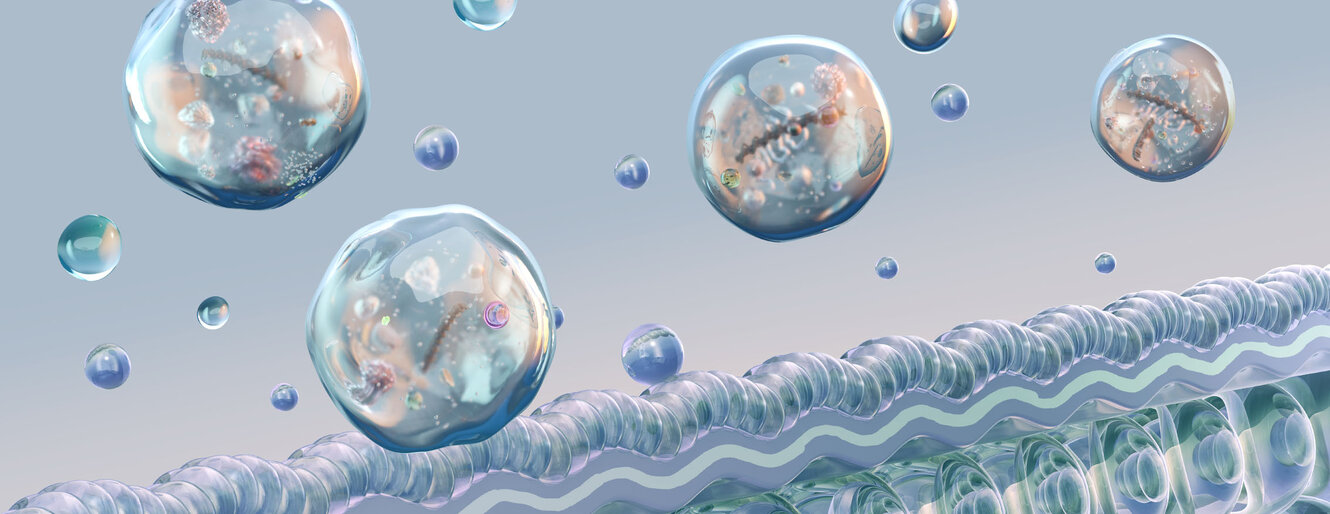
In the brain, cells communicate by sending out packages called small extracellular vesicles (sEVs). They carry vital protein signals that dictate how neurons grow and repair themselves. These messengers are often remodelled by molecular scissors called proteases. The Optobiology Group (Marina Mikhaylova) investigated how the enzyme A Disintegrin And Metalloprotease 10 (ADAM10) acts as a master sculptor, trimming surface proteins to change how these vesicles deliver their messages. This process is key to understanding both healthy brain function and neurodegenerative disease. They showed that ADAM10 actively reshapes the protein landscape of brain-derived vesicles. Using advanced proteomics, the researchers discovered that ADAM10 cleaves a wide variety of adhesion and signaling molecules directly on the vesicles after they are released. This allows the brain to dynamically alter cell-to-cell communication, suggesting that ADAM10 is a critical regulator of how messages are received and processed in the neural network. Read more about ADAM10 in the Journal of Extracellular Biology.
Synaptic Superstars
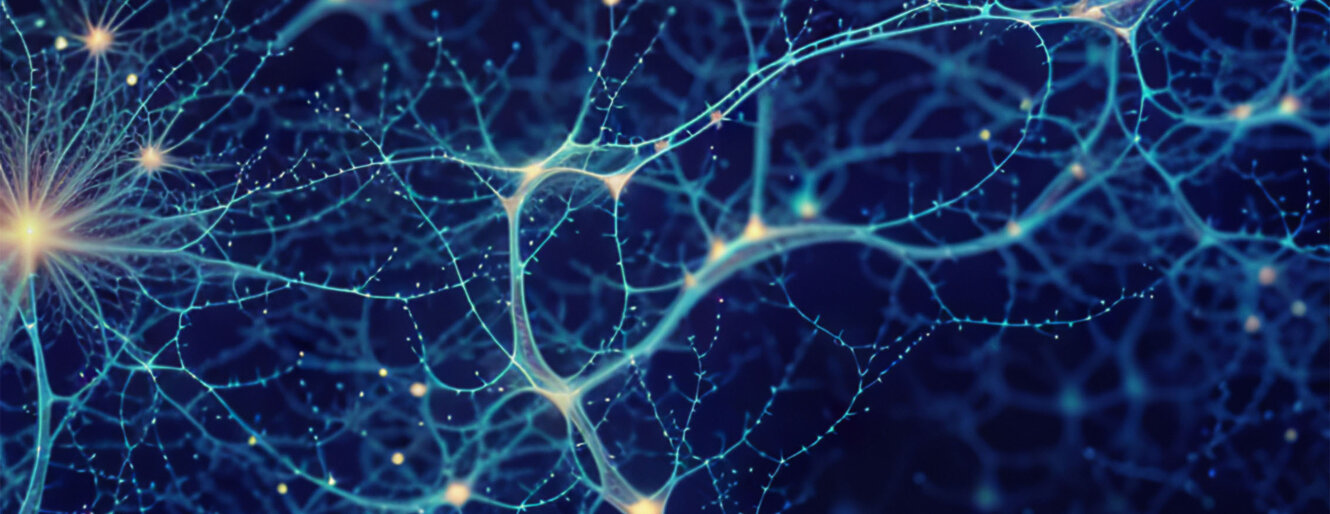
For a long time, neuroscientists have modeled brain activity as a predictable flow where the "average" connection dictates the outcome. However, recent biological evidence suggests that the brain is governed by "heavy-tailed" distributions, a mathematical structure where a few rare, incredibly strong synapses hold more power than thousands of weak ones combined. The Theory of Complex Systems and Neurophysics Group(Benjamin Lindner) investigated how the statistical shape of brain connections fundamentally changes how neurons fire. By comparing standard "light-tailed" models to "heavy-tailed" models, they discovered a phenomenon called directed percolation. In these heavy-tailed systems, activity acts like a spreading wildfire: if even a tiny number of neurons start spiking, the signal can "percolate" through the rare, powerful synapses to activate the entire network. Beyond the spread of activity, the study highlights a state of bistability, where a network can exist in two different modes: a low-activity "resting" state or a self-sustained "active" state. Learn more about heavy-tailed synaptic strength distributions in their article.
The Complementary Glow
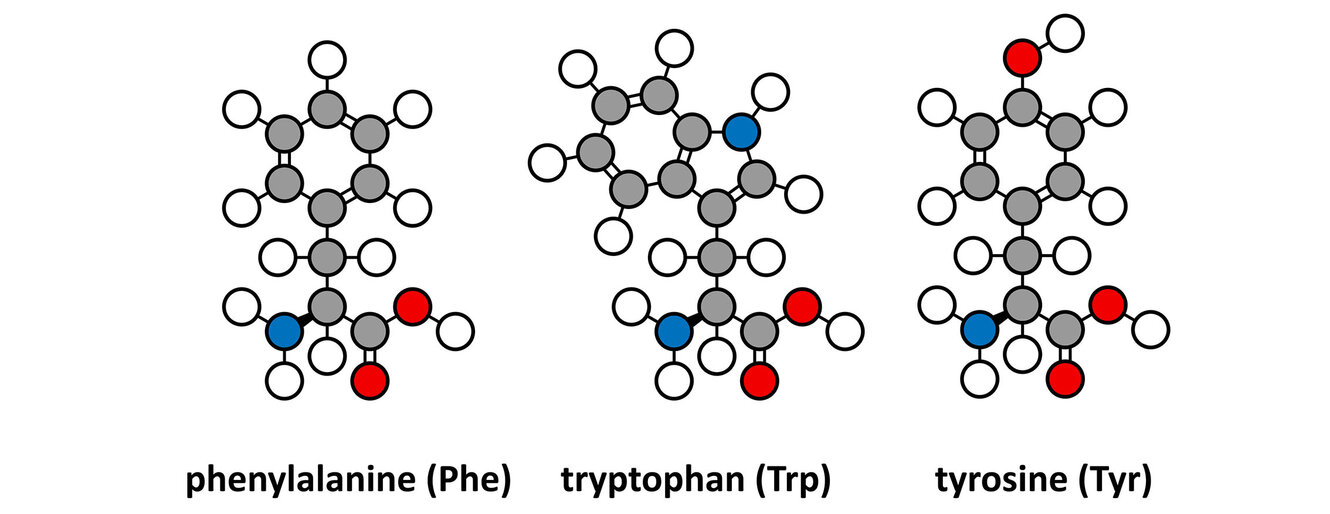
Proteins and their building blocks, amino acids, are too small to see with a standard microscope, so researchers use light to make them vibrate. By measuring these vibrations, they can identify exactly what a molecule is and how it is shaped. Traditional Raman spectroscopy uses a single photon of light to excite a molecule. The Optical Nanospectroscopy Group (Janina Kneipp) used a more advanced technique, so called SEHRS (Surface-Enhanced Hyper Raman Scattering) to find the spectra of tryptophan, phenylalanine and tyrosine. By using gold nanoparticles instead of the more common silver, the study paves the way for better biocompatibility in future medical and biological sensors. They specifically compared two types of citrate-stabilized gold nanoparticles (AuCit and AuAsc) and found that the way the nanoparticles were made significantly changed how the amino acids interacted with them. One of the most intriguing findings was the high variability in the spectra of tyrosine, which suggested that at certain concentrations, the molecules might be talking to each other through intermolecular interactions. Read the full article in Journal of Raman Spectroscopy for more information on SEHRS.
The green shield

As global temperatures climb, cities are increasingly becoming heat traps, endangering the health and well-being of millions. While "nature-based solutions" like urban forests are often touted as the ultimate fix, these green shields are themselves under threat from the very heat and drought they are meant to combat. A new perspective suggests that for cities to survive, we must rethink our relationship with urban nature. In a recently published Comment, Dagmar Haase argues that the effectiveness of urban adaptation to rising temperatures and drought depends on the health and diversity of a city’s entire "green patina." To unlock the full potential of urban nature, she suggests that cities must move beyond focusing solely on large-scale parks and instead integrate a holistic network of micro-green spaces and diverse vegetation, the “green patina”, that can better withstand and mitigate the impacts of a changing climate. Read the full Comment in Nature Citiesto learn more about these thoughts on green cities.
Dear Physics: We need to talk about Biology
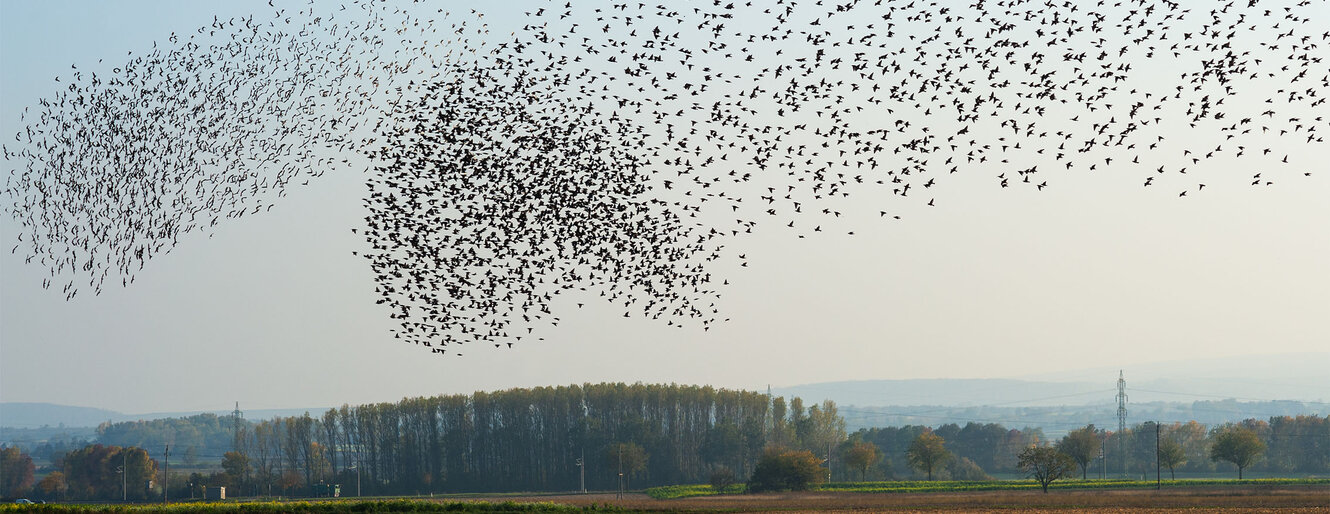
Unlocking the secrets of how thousands of starlings coordinate their movements or how social insects build complex nests requires more than just a pair of binoculars. It requires a blend of biology, physics, and mathematics. While the field of collective animal behaviour has successfully combined laboratory experiments with theoretical models, new technological leaps are pushing researchers to look deeper. In their perspective paper, Pawel Romanczuk and Valentin Lecheval outline how the next generation of research will bridge the gaps between individual biology, evolutionary history, and high-tech artificial intelligence. The authors identify several critical frontiers, including the need to bridge "proximate" mechanistic explanations (how animals move) with "ultimate" evolutionary causes (why they move that way), and the challenge of moving beyond a few "model" species to a generalized understanding across the animal kingdom. Furthermore, they advocate for unified models that combine collective decision-making with spatial movement, and for "reclaiming" AI as a theoretical tool to test hypotheses about animal cognition. Read the full review in The Royal Society for more information.
Every Breath You Take...
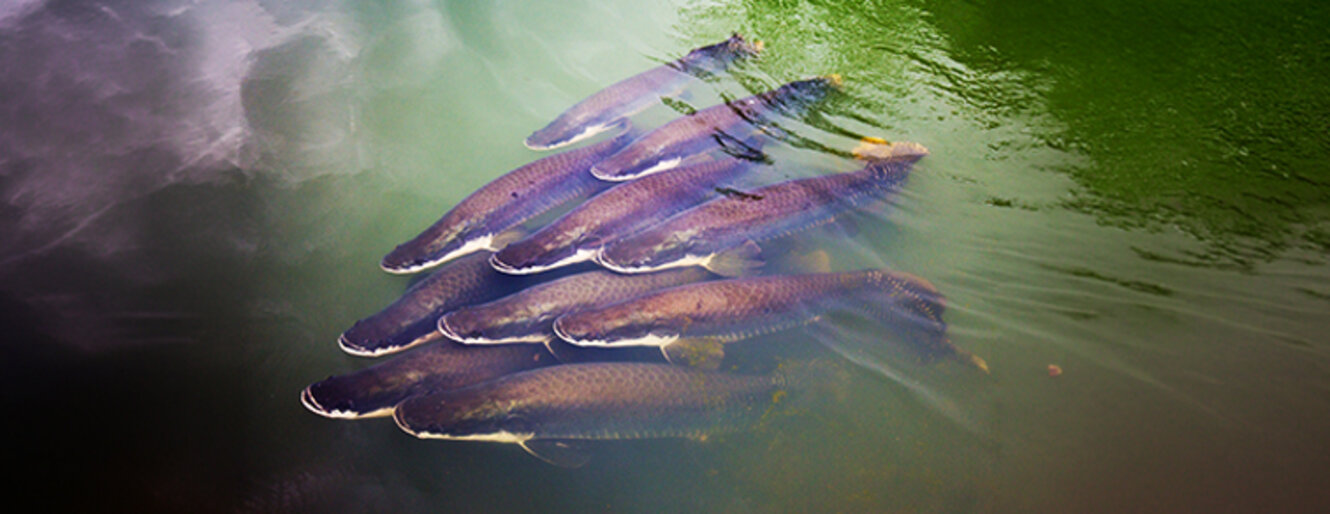
How do hundreds of animals act as one without anyone being in charge? From flocks of birds to schools of fish, synchronized behavior is one of nature's most fascinating phenomena. But while matching direction or speed is relatively easy, coordinating behaviors driven by individual physiological needs is a much greater challenge. The Mechanisms and Functions of Group-Living Group (Jens Krause) investigated this question by studying the collective air-breathing behavior of juvenile Arapaima gigas, one of the world's largest freshwater fish. Combining observations with computer simulations, they discovered that although individual fish have their own breathing rhythms, simple social interactions allow the group to surface in remarkable synchrony. Their findings reveal how collective coordination can emerge without forcing individuals to ignore their own physiological needs, offering new insights into the mechanisms underlying synchronized behavior in animal groups. Dive into their Communications Biology Article to discover how fish manage to breathe in perfect harmony.
Let it Grow!
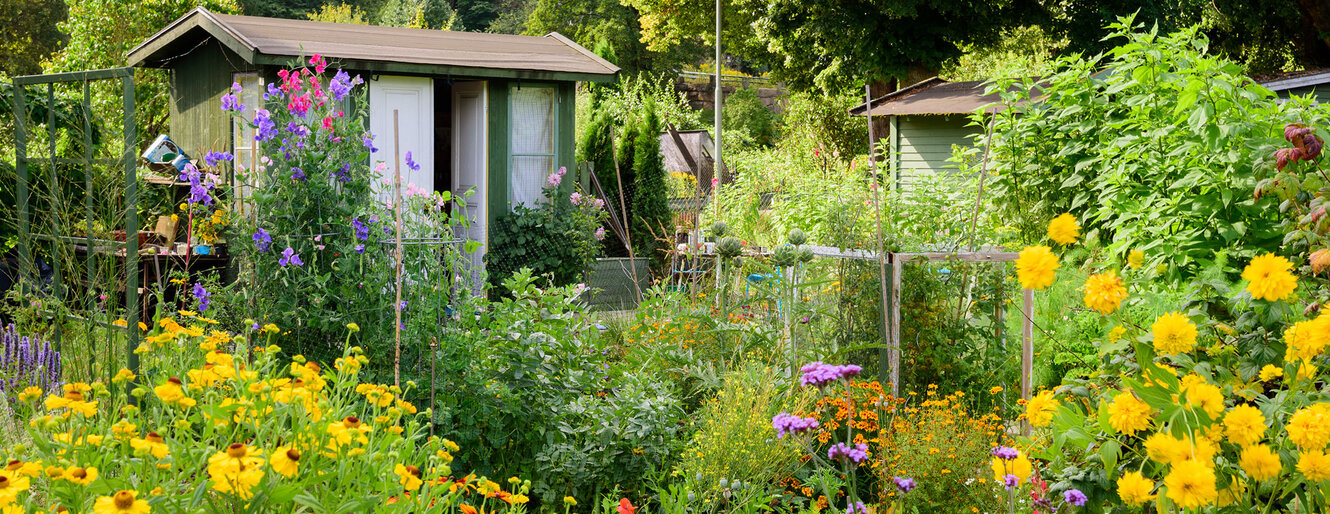
Urban allotment gardens are increasingly recognized not just as recreational spaces for city residents, but as vital ecological hotspots within urban environments. As cities expand, these green spaces provide ecosystem services that support both human well-being and local wildlife. The Landscape Ecology Group (Dagmar Haase) investigated the plant species richness and conservation potential of urban allotment gardens in Berlin, Germany. They focussed on how different garden management practices influence the ecosystem services they provide. The researchers identified 377 plant species and found that over half of them are multifunctional. They demonstrated that plots managed with medium intensity support significantly higher biodiversity, specifically regarding native species, weedy plants, and regulation and maintenance ecosystem services (ReMES). Meanwhile, highly managed plots do not support the biodiversity as much, because frequent mowing and trimming suppresses spontaneous vegetation. The authors concluded that urban allotments act as crucial biodiversity hotspots and pollinator refuges, though their ecological value is heavily dependent on individual, localized gardening styles. To learn more about the effect of gardens on biodiversity in cities, have a look at the article in Plant-Environment Interactions.
Taming the Nanochaos

Using NV- center in diamonds as quantum sensors gives us a sharp tool for exploring the nanoscale and biological worlds. By trapping these defects inside mobile nanodiamonds, we can send them into tight spaces where solid diamonds cannot fit. But the shrinking of the diamond down to the nanoscale triggers a physical backlash. The Nano Optics Group (Oliver Benson) published a perspective paper about the physical mechanisms by which material properties constrain NV behavior and how to improve the robustness of these mobile quantum sensors for biosensing and nanoscale science. The issues are widespread: crushing diamond into nano-sized bits leaves behind irregular, jagged shards, internal lattice strain and a messy surface with loose electrons that distorts the sensor's signal or shut it down entirely. Scientists deploy different pulsing recipes to isolate and understand specific environmental disruptions. The ultimate fix relies on material engineering: by using ultra-pure 12C , capping the surface with oxygen, wrapping the particles in protective silica (SiO2) jackets or growing the diamonds neatly from the ground up, researchers can quiet the background noise and stabilize the sensor.
Gymnastics in the Grain Field

As climate change accelerates, keeping food supplies stable depends heavily on our ability to protect crops from fluctuating weather. Grain yield in crops like wheat isn't just about a single plant part; it's the result of a delicate dynamic between "sources" (like leaves creating energy through photosynthesis) and "sinks" (the grain heads that store that energy). To build crops that can withstand extreme weather, plants need plasticity to adjust how they move energy when they are under stress. The Intensive Food Plant Systems Group (Tsu-Wei Chen) used extensive, large-scale historical datasets mapping decades of wheat breeding to understand how plants manage their internal resources. They used a conceptual wiring diagram to connect a wheat plant’s genetic traits with its real-world performance under fluctuating environmental and management conditions. They discovered that a wheat variety's ability to remain stable and high-yielding under environmental stress is directly tied to the plasticity of its source-sink dynamics. This might shift the attention of breeders from simple yield numbers to interactive traits that will protect future global food security. If you want to learn more about plasticity in wheat have a look at the full article in Nature Communications.
Out Standing in Their Field!

Can veal production be both animal-friendly and sustainable? As consumers increasingly care about how farm animals are raised, pasture-based systems are gaining attention as a potential alternative to conventional livestock production. Allowing calves to graze not only supports natural behaviors and animal welfare, but may also influence the quality of the meat they produce. To explore this, the Animal Husbandry and Ethology Group (Edna Hillmann) investigated whether dairy bull calves raised on pasture can achieve good growth and meat quality under practical farming conditions. Their results show that grazing-based veal production is a promising approach: calves performed well, and longer grazing periods were associated with a healthier fatty acid profile in the meat. Do you want to know more about how life on pasture shapes both calves and the quality of the meat? Take a closer look at their Organic Agriculture Article!
Mixed Signals
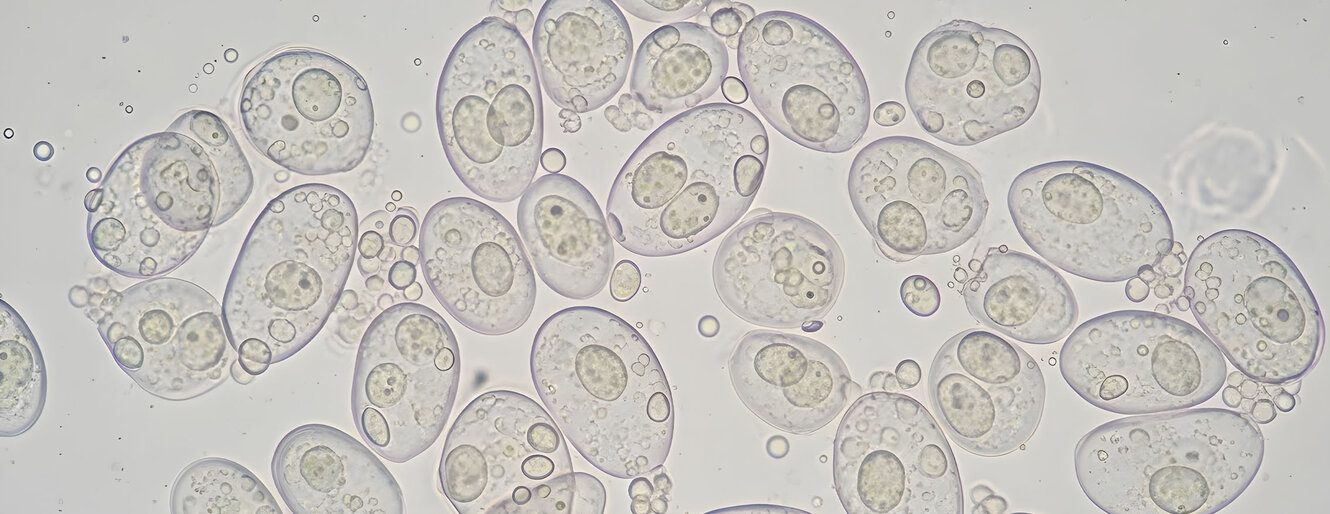
The small GTPase RAS acts as a critical signaling hub that regulates essential cellular processes such as growth and differentiation. Mutations in human RAS isoforms are primary drivers of tumorigenesis and various developmental disorders, typically resulting in the accumulation of active, GTP-bound Ras that can constitutively trigger effector pathways like the MAPK (ERK) cascade. However, recent evidence suggests that oncogenic RAS expressed at physiological levels does not always cause MAPK hyperactivation. The Theoretical Biophysics Group (Edda Klipp) used fission yeast (Schizosaccharomyces pombe) as a model to examine how a constitutively active Ras1 mutation impacts the branched downstream MAPK and Cdc42 pathways during pheromone-induced mating. They revealed that it causes divergent signaling dynamics: it leads to prolonged Cdc42 activation which results in an "elongated shmoo" phenotype where cells grow excessively long conjugation tubes but fail to mate successfully. They also identified a robust negative feedback loop acting on pheromone production or sensing that effectively dampens the MAPK signal even when upstream Ras1 is constitutively active. The findings demonstrate that MAPK cascades possess an inherent resistance to oncogenic RAS mutations under physiological conditions, while other pathways like Cdc42 are more directly impacted. Read the PLOS Genetics Article for further information.
Smart Greening

For decades, city "greening" programs have operated on a simple logic: the more trees we plant, the better. Cities set ambitious targets to plant thousands of saplings, often treating all trees as equal contributors to the environment. However, urban environments are not uniform: a neighborhood prone to flash flooding has different needs than one suffering from extreme heat. The Landscape Ecology Group (Dagmar Haase) addressed this flaw in current city planning in their npj Urban sustainability arcticle. Using Philadelphia as a case study, they developed a framework that combines machine learning and optimization algorithms to match the specific needs of a neighborhood with the species best equipped to solve those problems. They introduce a spatial optimization tool that identifies specific "hotspots" across the city where nature-based solutions are most needed. Instead of a one-size-fits-all planting strategy, the model suggests a diverse “green mosaic”. This shift from random greening to precision forestry ensures that urban forests act as high-performance infrastructure, providing maximum protection against climate change while fostering a more resilient and biodiverse urban ecosystem.
How to tan veggies right
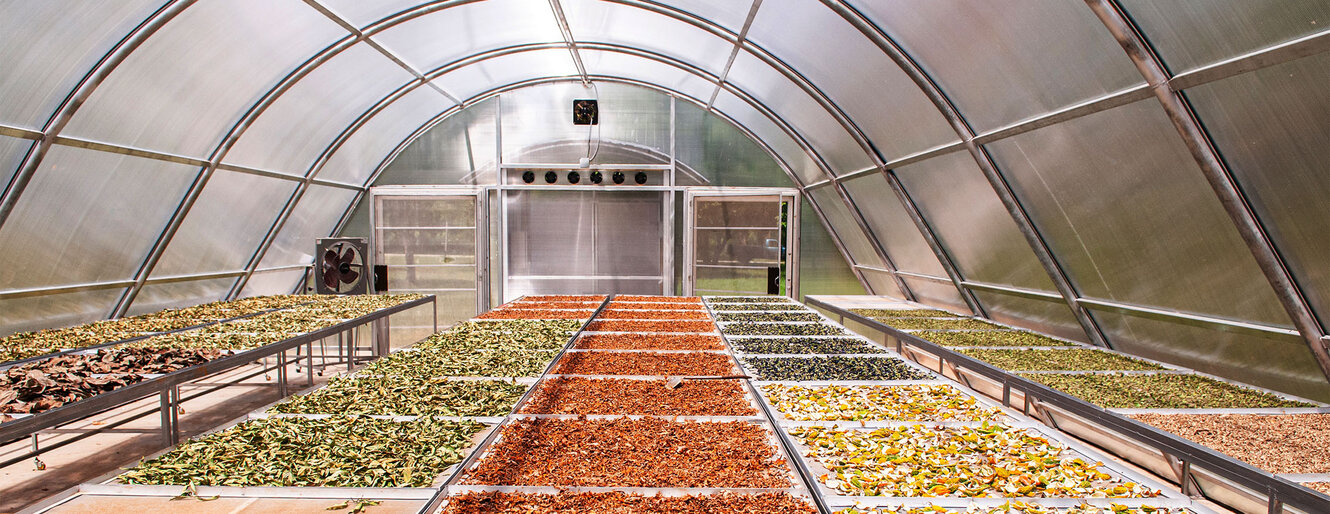
In a world where food security depends on preserving seasonal harvests, the sun is a powerful but tricky ally. While solar drying is an affordable way to keep vegetables from spoiling, the intense heat and light can be a double-edged sword for the vitamins and nutrients inside. The Urban Plant Ecophysiology Group (Christian Ulrichs) investigated how different solar drying methods affect the nutritional profile of African indigenous vegetables. Published in the Journal of Food Science, the research compares the effects of passive direct solar drying (PDSD) and passive indirect solar drying (PISD), followed by a 30-day storage period. The researchers found that while carotenoids were successfully retained in amaranth and pumpkin leaves, Abyssinian mustard was more sensitive, losing up to 45% of its carotenoids under direct sun. Interestingly, the study highlighted a significant "health win": both drying methods dramatically reduced nitrate levels, which are considered anti-nutrients in high amounts. By identifying how specific vegetables react to different drying "sun-baths," the study provides a roadmap for preserving the bioactive compounds that make these vegetables vital for human health.
Keeping It Centromereal
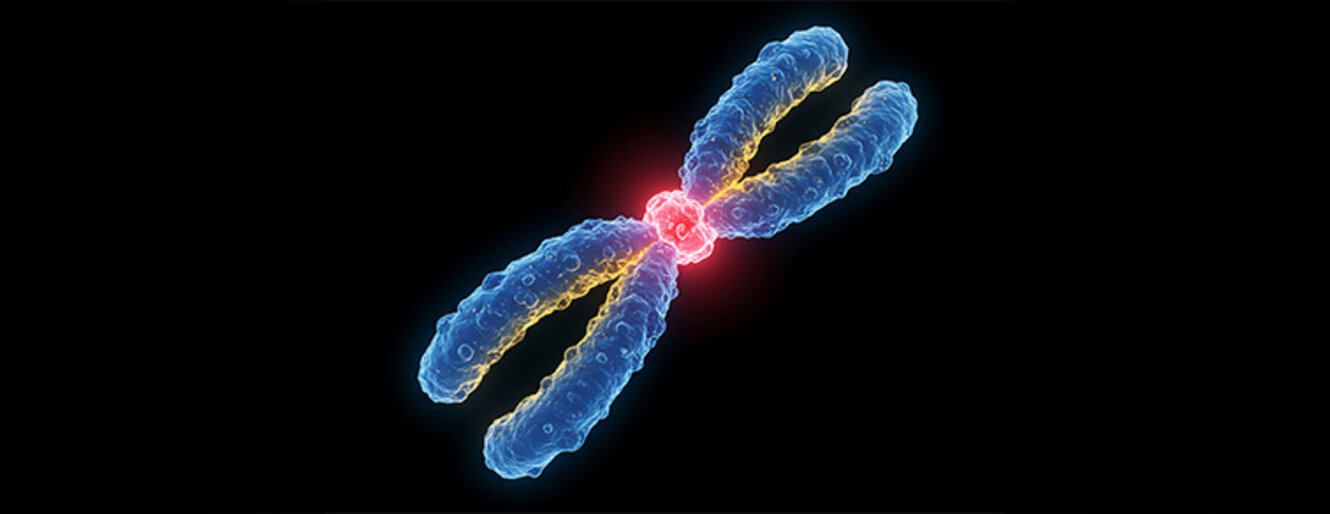
Every time a cell divides, it faces a remarkable challenge: ensuring that its genetic information is passed on accurately to the next generation. At the heart of this process lies the centromere, a specialized region of chromosomes that acts like a molecular anchor during cell division. But building and maintaining this essential structure requires a carefully coordinated team of proteins. The Molecular Cell Biology Group (Ann Ehrenhofer-Murray) investigated one of these proteins, Yta7, a chromatin remodeler that helps organize DNA and its associated proteins. By searching for genetic changes that compensate for defects in centromere function, they uncovered unusual Yta7 variants that alter the protein's activity and improve the incorporation of key centromeric components. Read their Genetics Article to explore the fascinating machinery that ensures every new cell gets the right genetic package.
No words needed
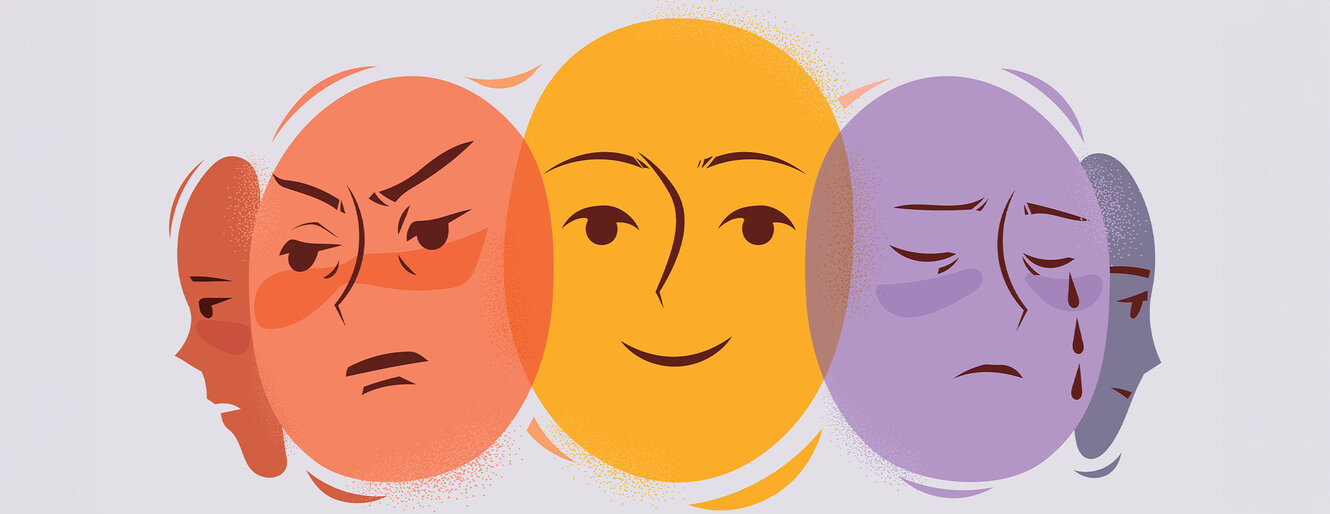
When researching emotions, language can often be a barrier. Words like Schadenfreude don’t always have a direct equivalent in other languages, and young children may not yet have the vocabulary to describe complex feelings. To solve this, a team of researchers developed the Nonverbal Emotion Assessment Tool (NEAT), a language-free instrument that uses schematic facial drawings to measure both the type and intensity of emotions. The Social and Organizational Psychology Group (Ursula Hess) now validated the tool across two distinct groups: German primary school children and adults from Germany, Bulgaria, and Malaysia. They found that the NEAT is highly effective at capturing “attributed emotions”, the feelings people recognize in others or themselves. While children as young as six were able to match the schematic faces to emotional scenarios with moderate accuracy, the adult study revealed that the tool maintains high "construct validity" even across vastly different cultures. Although some regional differences were noted, the NEAT proved to be a reliable way to bypass the "translation trap". By using simple, bias-free drawings instead of photographs or words, this tool provides a new global standard for understanding the human emotional experience from childhood through adulthood. If you are interested in NEAT, read the Emotion Article.